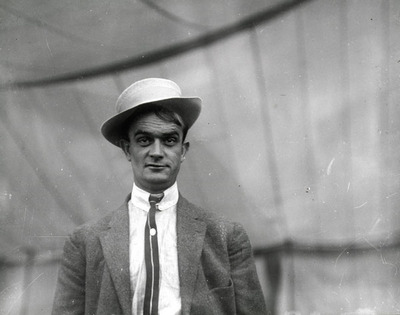
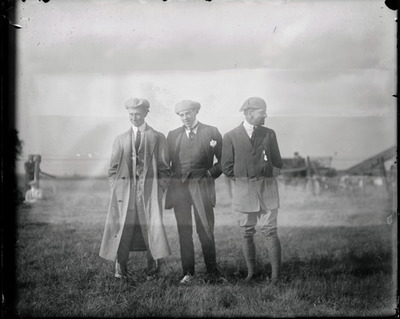
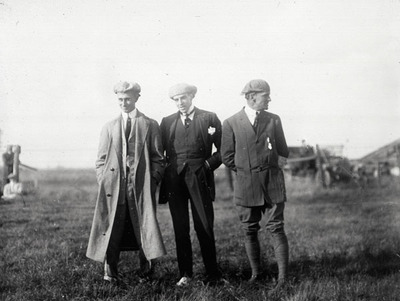
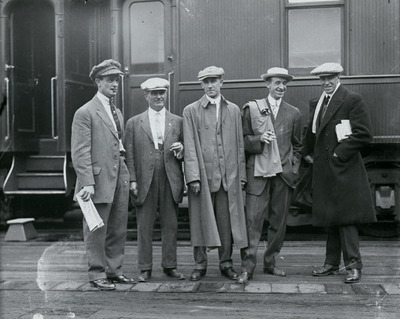
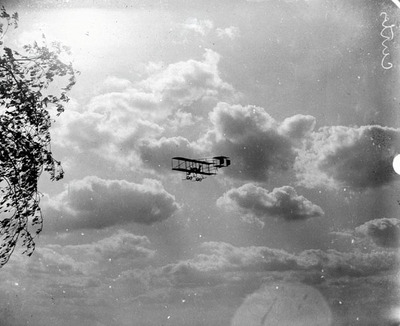
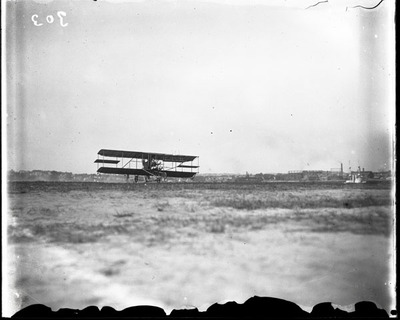
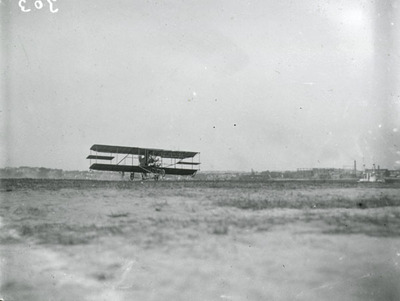
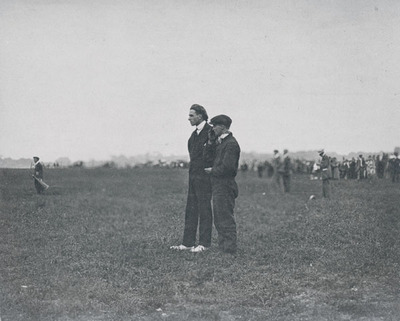
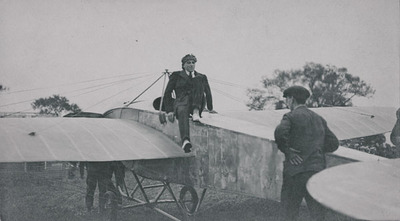
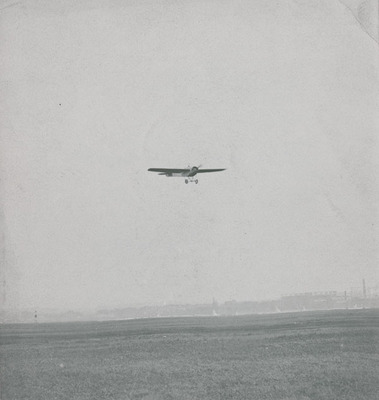
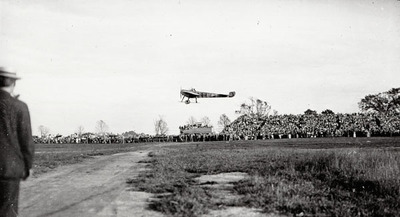
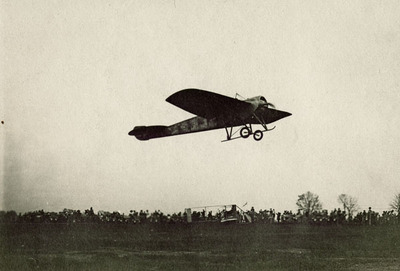
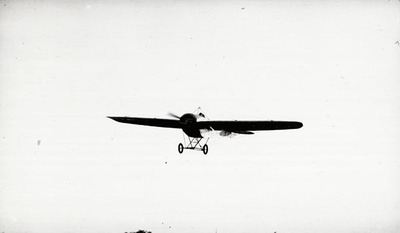
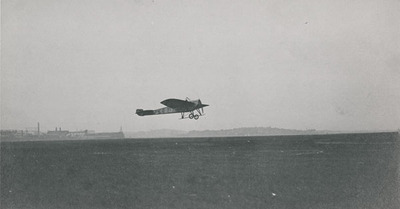
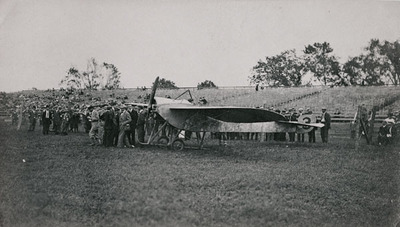
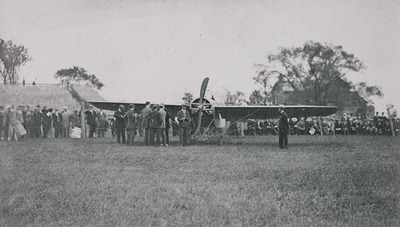
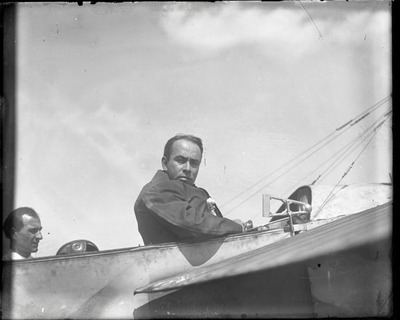
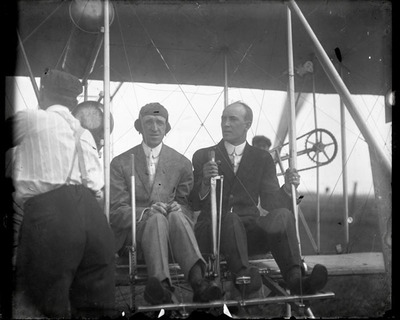
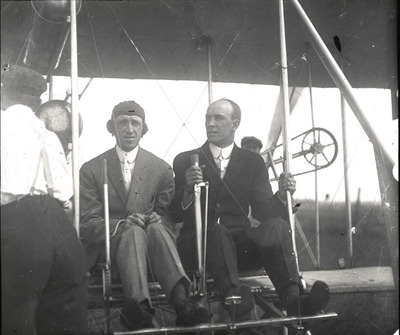
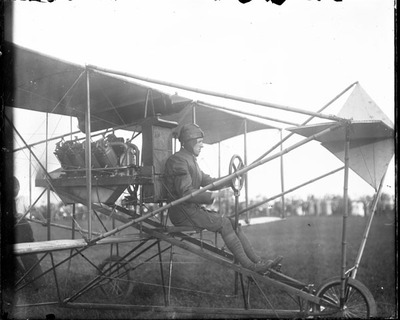
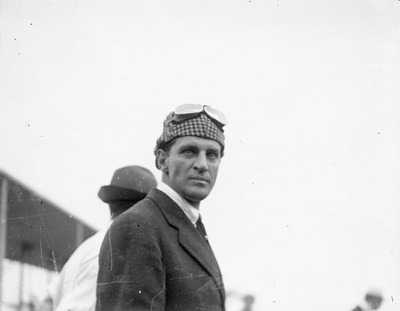
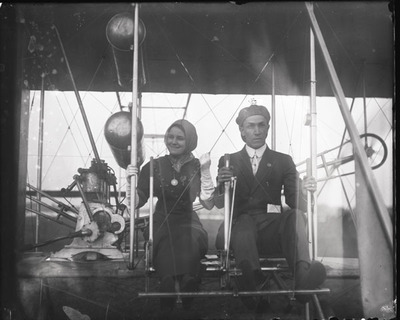
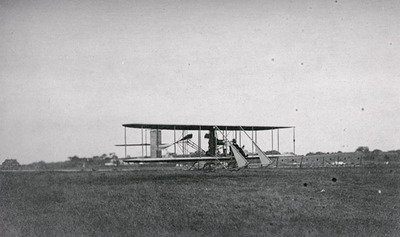
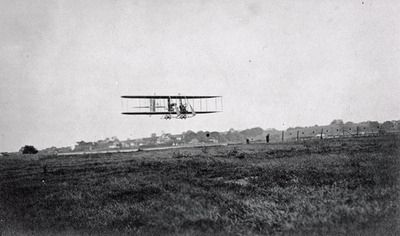
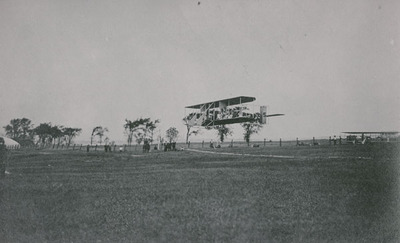
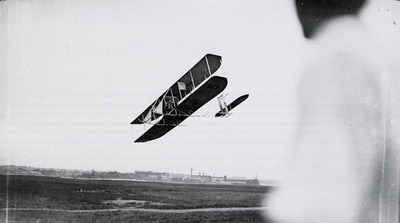
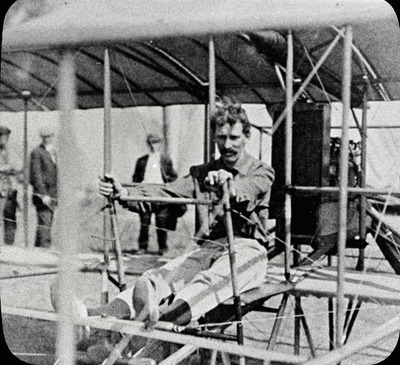
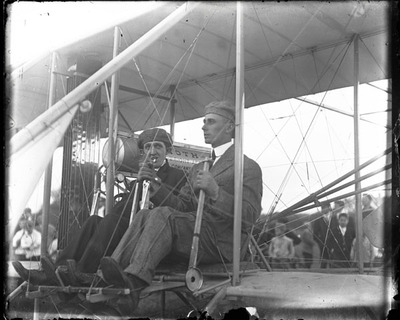
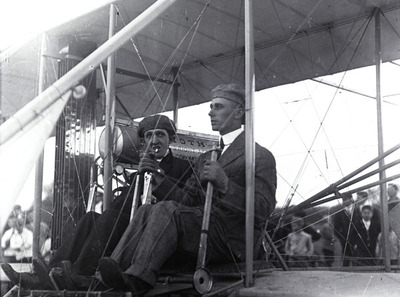
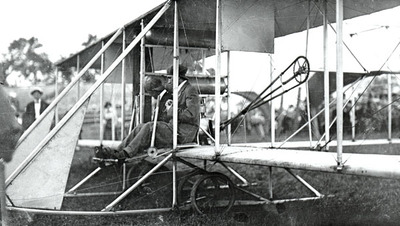
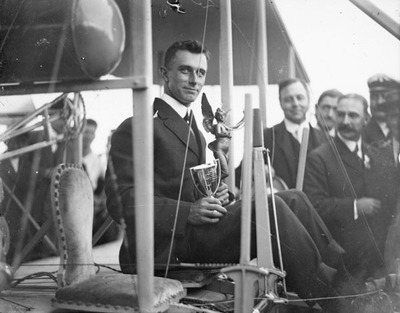
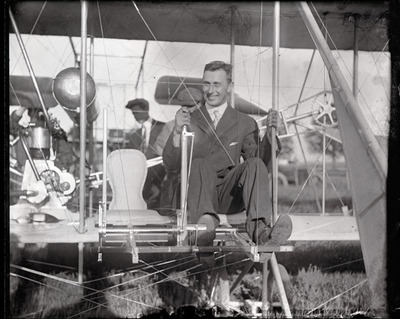
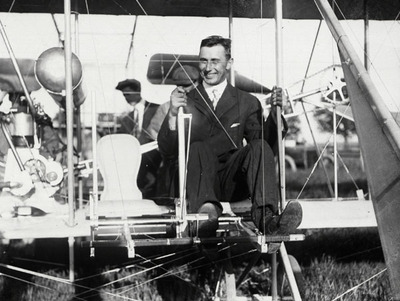
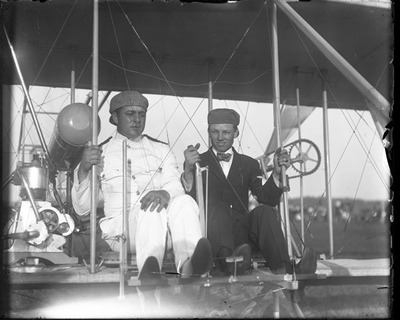
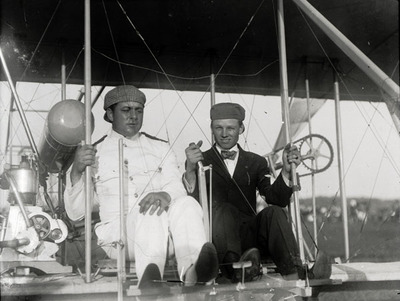
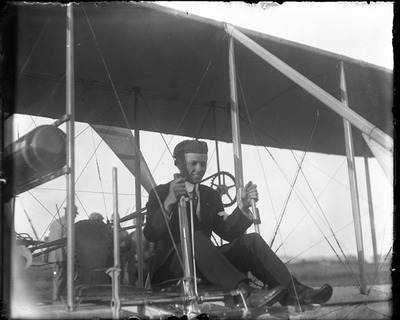
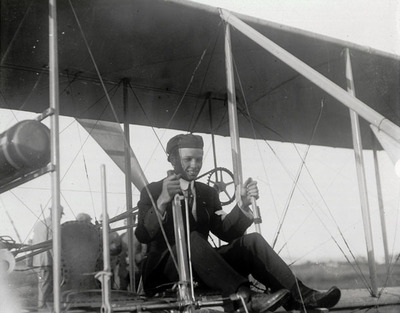
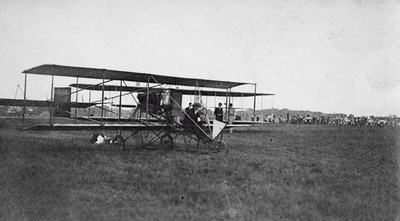
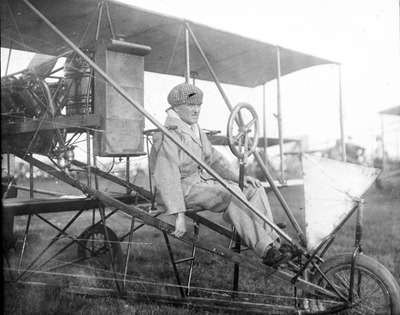
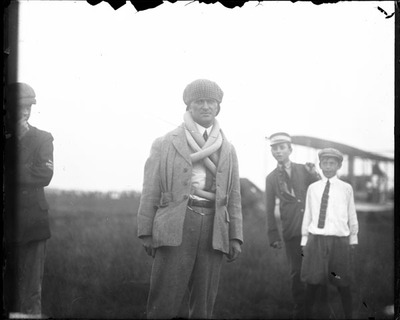
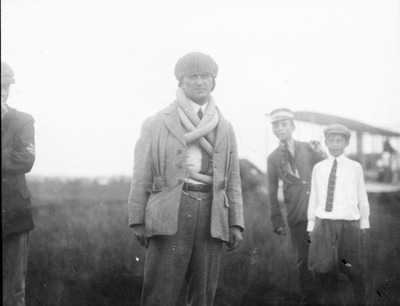
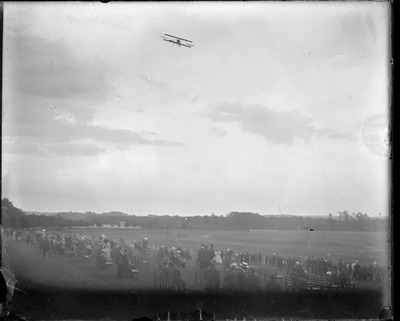
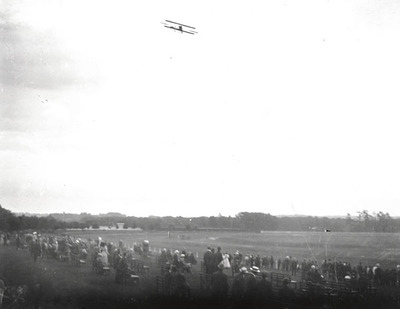
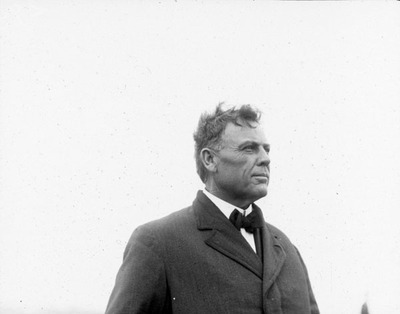
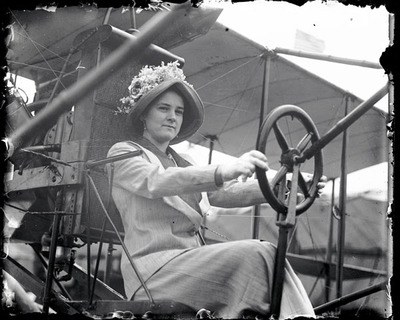
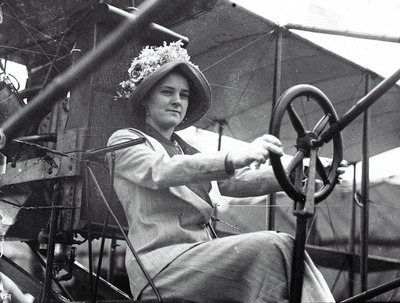
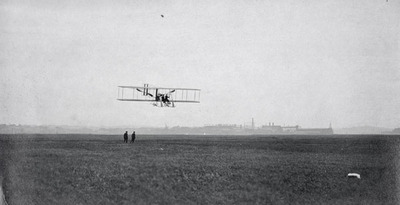
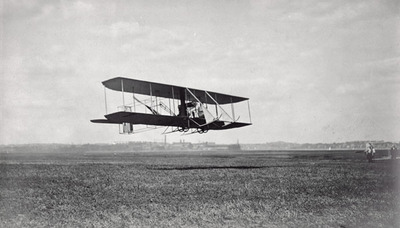
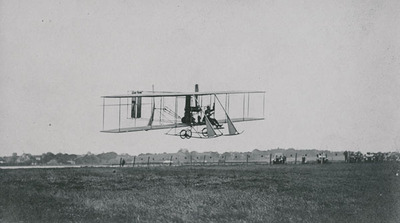
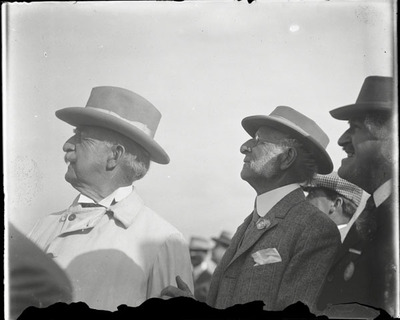
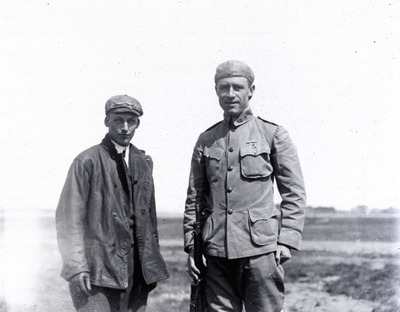
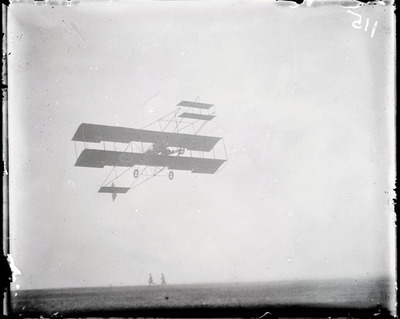
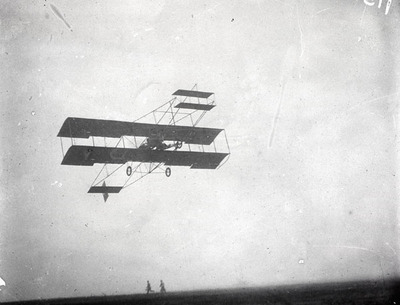
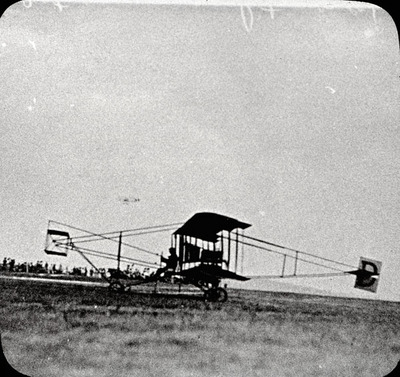
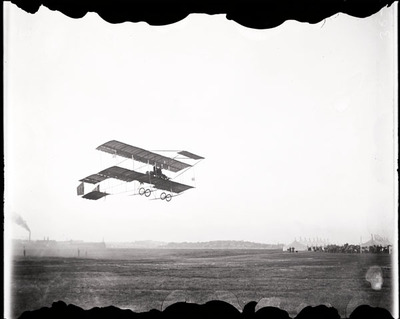
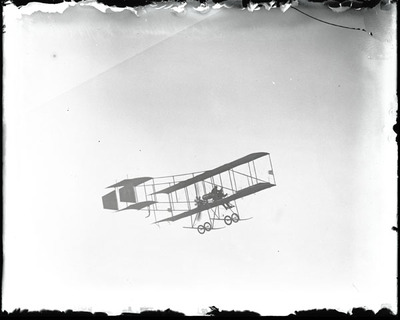
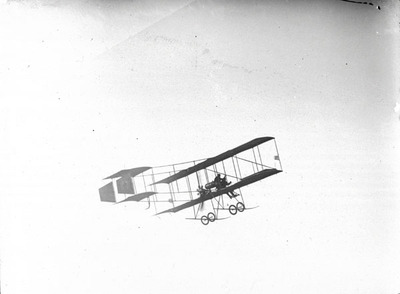
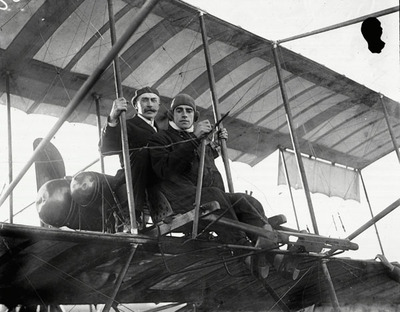
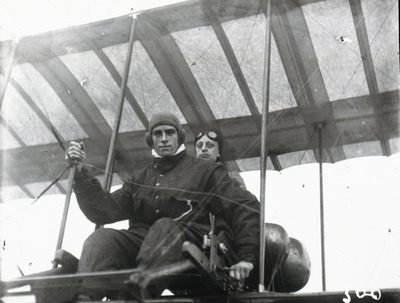
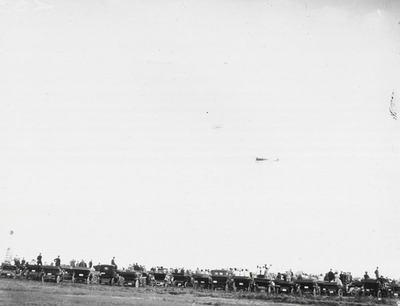
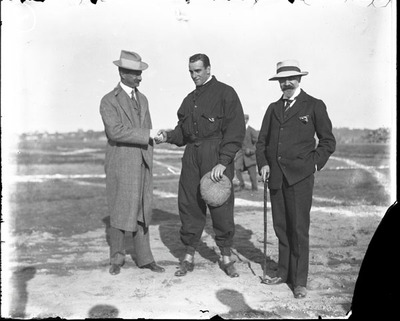
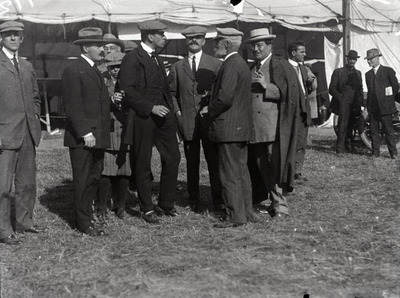
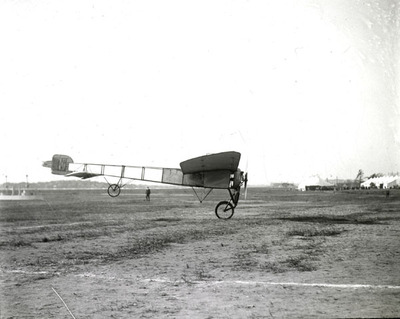
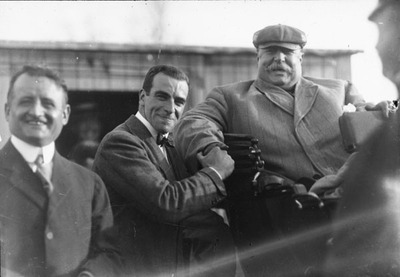
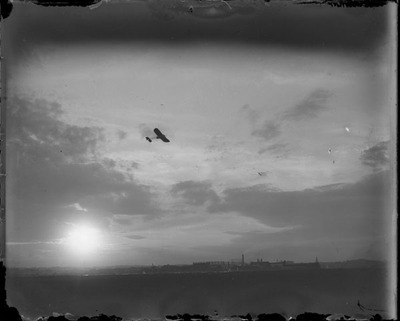
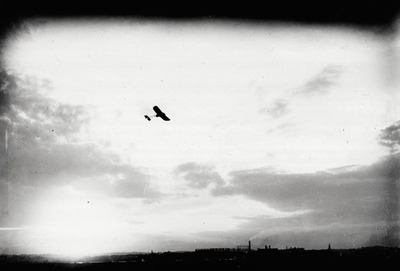
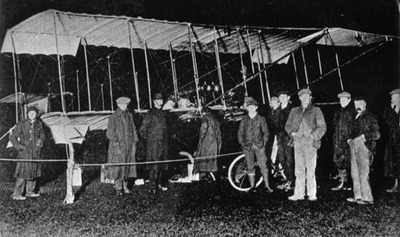
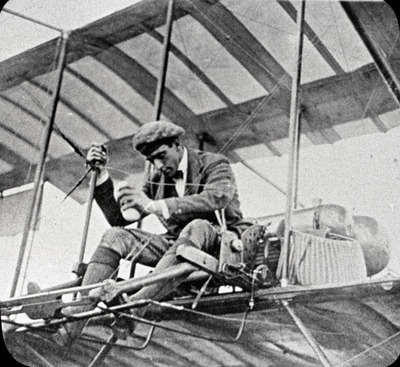
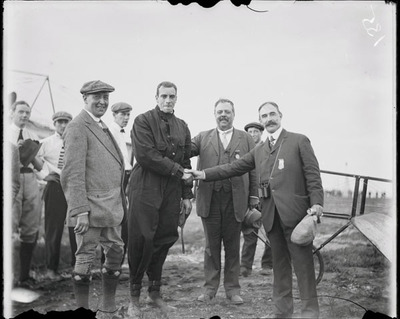
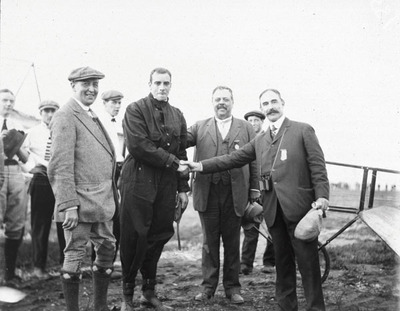
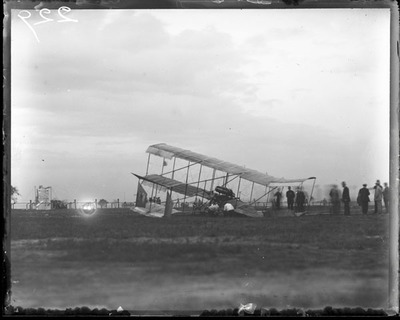
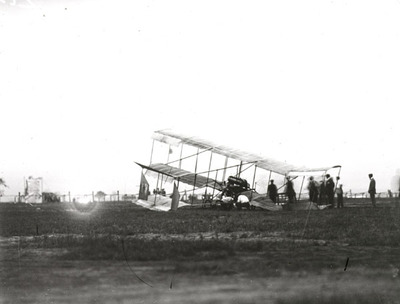
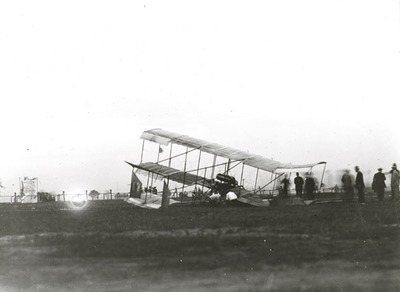
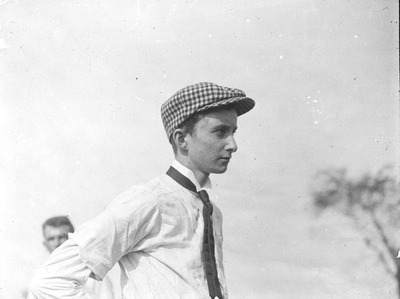
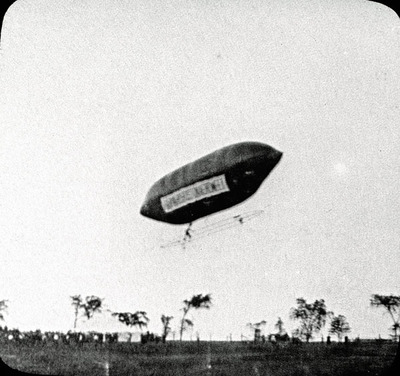
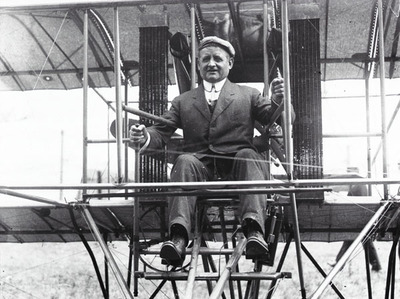
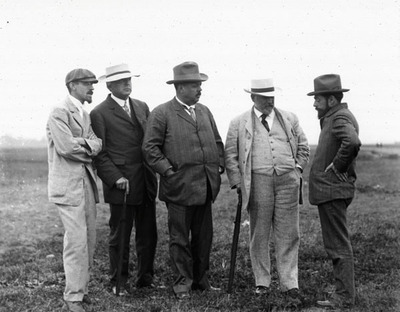
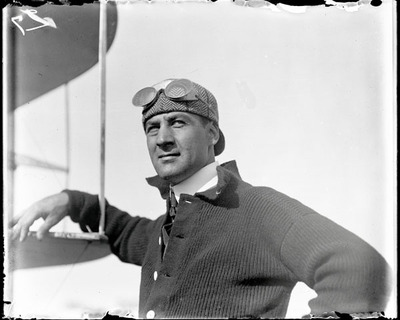
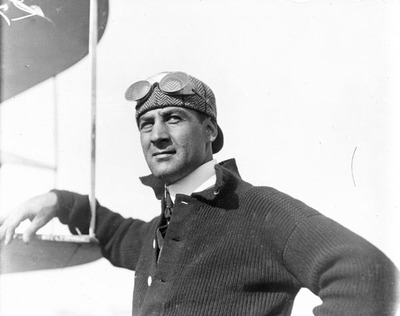
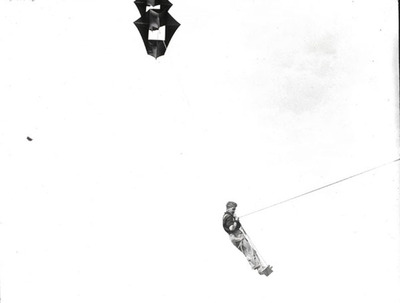
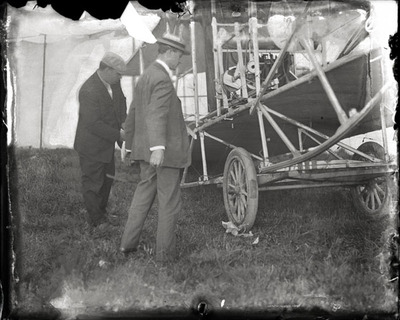
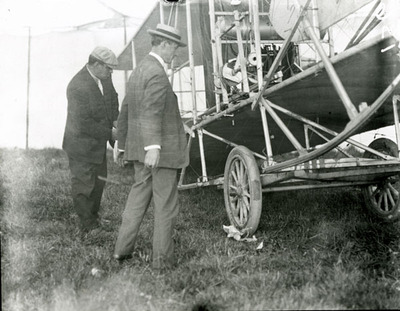
The first Harvard-Boston Aero Meet took place in September of 1910. Sponsored by the Harvard Aeronautical Society and held in Atlantic, Massachusetts, the meet was the first of its kind to take place on the East coast as well as the largest. The Boston Globe offered a $10,000 prize for the first person to fly from Atlantic, Massachusetts to the Boston Light and back in the shortest amount of time. The meet also consisted of a $5,000 prize and the Harvard Cup to the person who could drop the most bombs on a battleship model. Approximately 67,000 people paid to see the meet while many more watched the meet from other places. Claude Grahame-White, an English Aviator, won the race to the Boston Light and back winning the $10,000 award. An additional spectacle at the meet was Samuel F. Perkins who took the first man up in a kite. The pictures of these events in this collection were taken by Anthony Philpott, editor of the Boston Globe and an airplane enthusiast.
The second Harvard-Boston Aero Meet took place August 27 through September 6, 1911. This meet was also sponsored by the Harvard Aeronautical Society with additional funding from the Boston Daily Globe. This second meet, unlike the first meet, was plagued with rain, high winds, dissatisfaction among the aviators, and low attendance. The high light of this meet was the Tri State race, which was sponsored by the Boston Daily Globe. Claude Grahame-White, and other aviators, refused to fly in the meet because they felt that the route was too dangerous. Despite their suggestions to change the route of the race, the race continued as planned. The winners of the Tri State race were Earl Ovington in a monoplane and Lt. Milling, representing the United States Army, in a biplane. Claude Grahame-White once again won the prize for flying to the Boston Light and back but, it was Earl Ovington that earned the most monetarily at the Harvard-Boston meet. Overall, the meet appears to have been a disappointment in comparison to other meets that were held earlier in the year.
































-

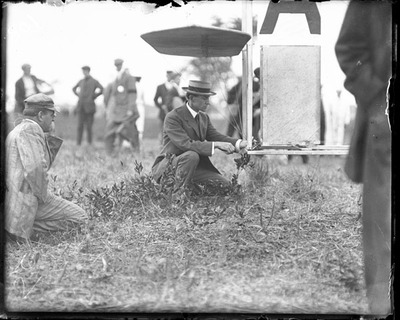
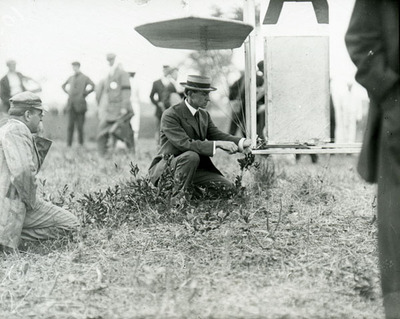
Samuel F. Perkins riding a kite at the Harvard-Boston Aero Meet, September, 1910
-

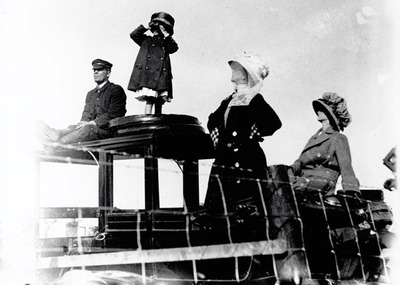
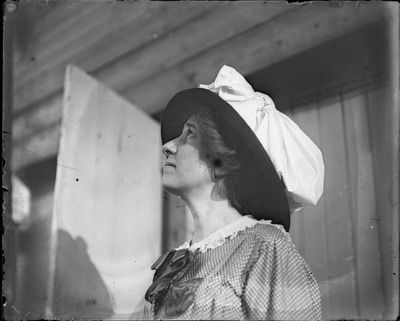
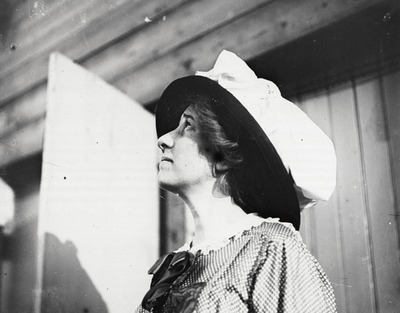
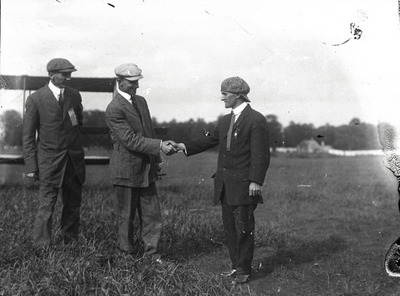
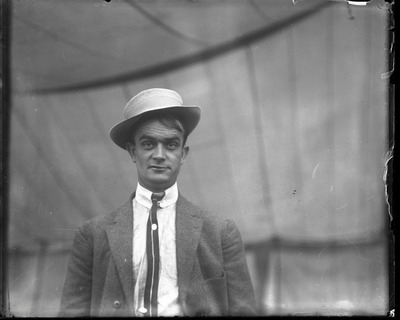
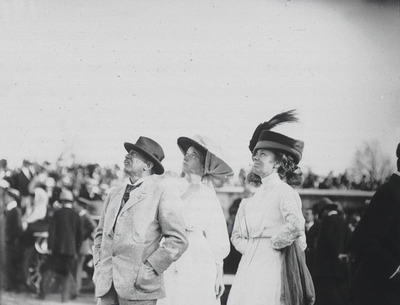
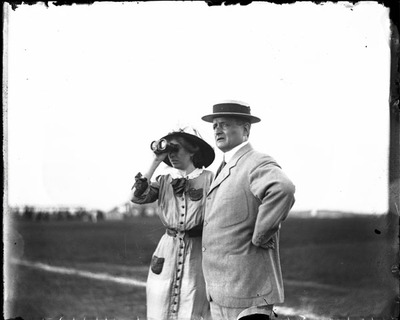
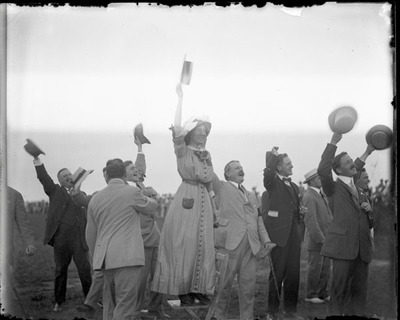
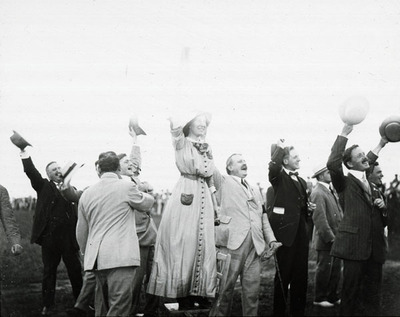
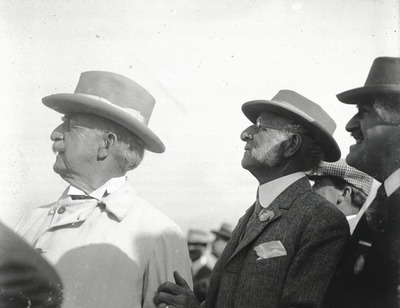
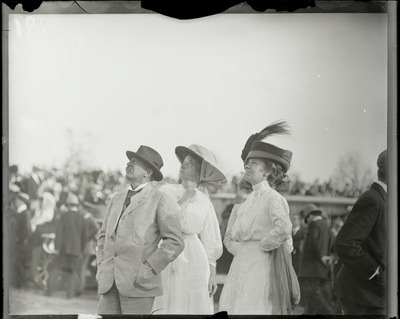
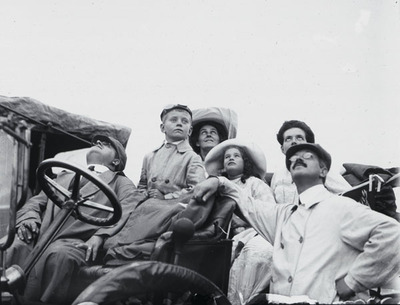
Spectators at the Harvard-Boston Aero Meet, September, 1910
-

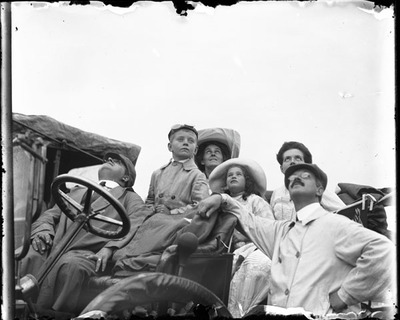
Spectators at the Harvard-Boston Aero Meet, September, 1910
-

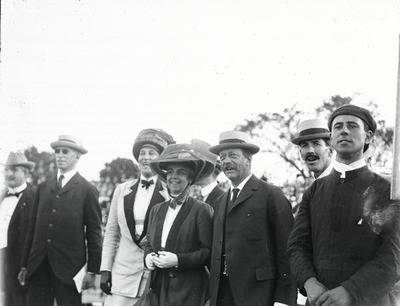
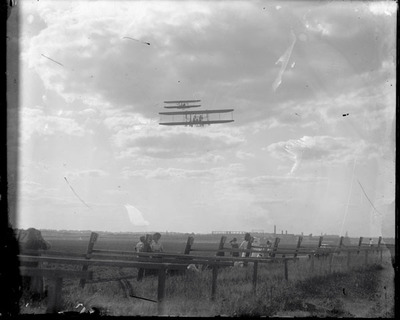
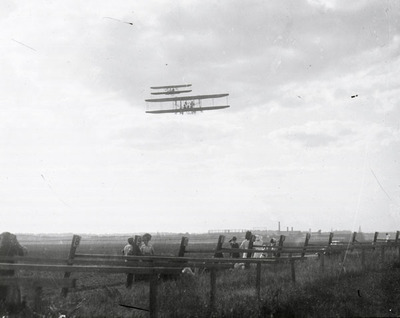
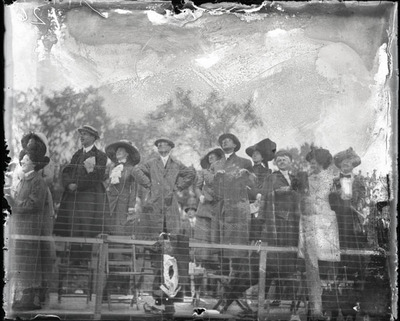
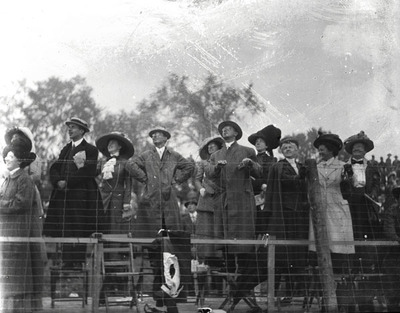
Spectators standing by a fence at the Harvard-Boston Aero Meet, September, 1910
-

Spectators standing by a fence at the Harvard-Boston Aero Meet, September, 1910
-

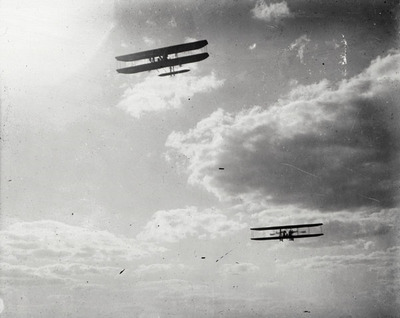
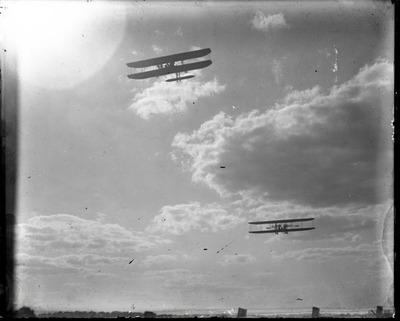
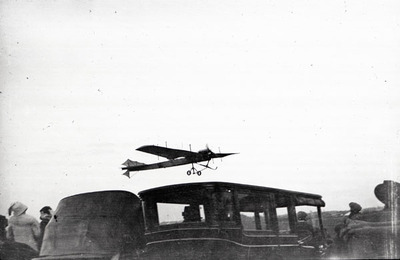
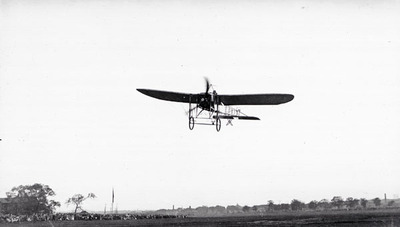
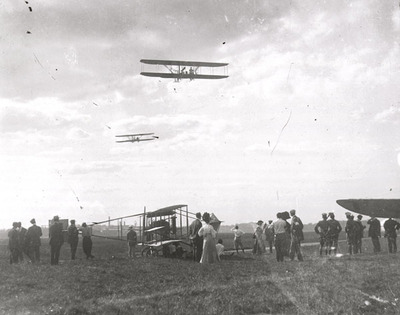
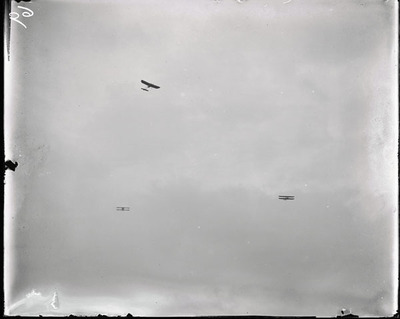
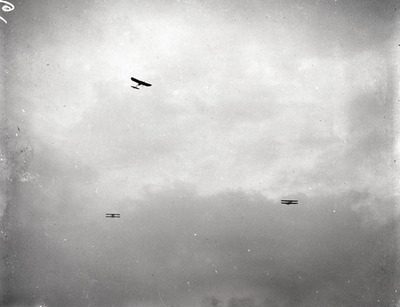
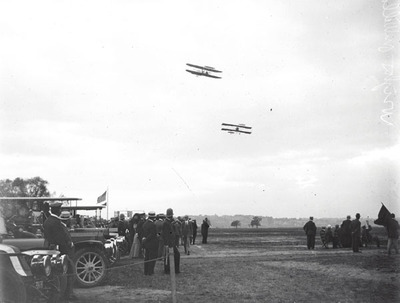
Three aircraft in flight at the Harvard-Boston Aero Meet, September, 1910
-

Three aircraft in flight at the Harvard-Boston Aero Meet, September, 1910
-

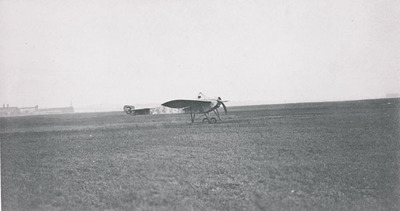
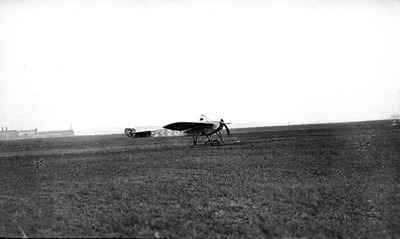
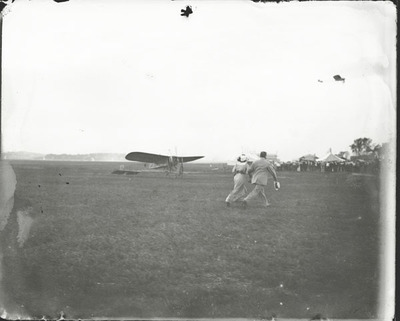
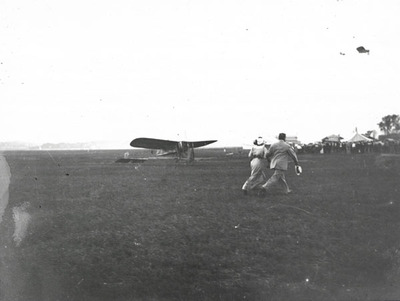
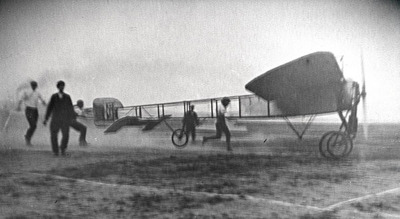
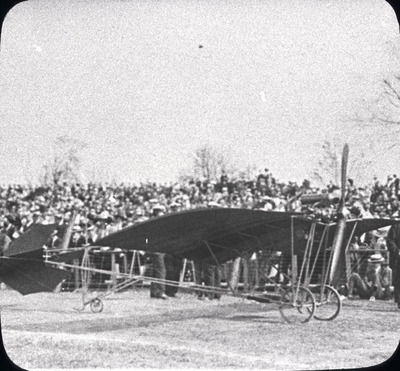
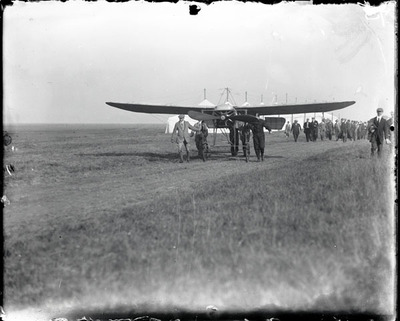
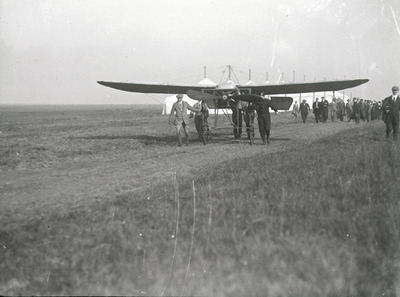
Trundling a Bleriot monoplane at the Harvard-Boston Aero Meet, September, 1910